
Cooling Tower Pumps for Condenser and Process Cooling Water
For plant engineers and HVAC teams who reject heat through cooling towers. We supply pumps sized to your heat load, tower height and heat exchanger losses for steady, efficient cooling water circulation.
- Continuous duty
- Sized to heat load
- End suction and inline
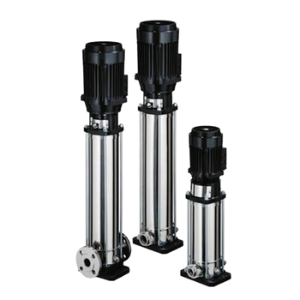
Moving cooling water between plant and tower
Cooling tower pumps supply heat exchangers, condensers and process equipment with cooling water, then return the warmed water to the tower. Flow is set by the heat to be removed and the allowed temperature rise. Head depends on the type of cooling system: static lift to the tower inlet, nozzle pressure, and losses through heat exchangers and piping.
Industrial cooling systems use some of the largest pumps in constant operation, so efficiency has a big effect on running cost. A cooling tower pump selected near its best efficiency point, with suitable materials for open, aerated water, delivers years of reliable service. Poorly matched pumps either starve the condensers or waste power through throttled valves.
Pumping Solutions supplies NISO-k series single-stage end suction pumps for high-flow circuits, TD-i series vertical inline circulation pumps for space-saving installations, and CDL series vertical multistage pumps for smaller towers and higher-head duties. We size each pump from your heat load, tower specification and piping layout, and check basin submergence and suction conditions.
Key highlights
- NISO-k end suction pumps for high-flow tower circuits
- TD-i vertical inline pumps for compact installations
- CDL vertical multistage pumps for higher-head duties
- Flow sized from heat load and temperature rise
- Head includes tower static, nozzles and exchanger losses
- Materials suited to open, aerated cooling water
What goes into a good cooling tower pump selection
Flow from heat load
We calculate flow from heat rejected and design temperature range, so condensers and exchangers receive the water they were designed for.
Accurate head
Tower static height, distribution nozzle pressure, exchanger drop and pipe losses are all included, avoiding undersized or throttled pumps.
Efficient long-hour running
Pumps that run continuously are selected near best efficiency, and variable speed can trim flow as seasonal heat load falls.
Handles open-system water
Strainers and suitable materials cope with debris, scale and dissolved oxygen typical of open cooling tower circuits exposed to air and dust.
Three pump styles
End suction, vertical inline and vertical multistage options let us fit the pump to your flow, head and plant layout.
Standby protection
Duty and standby pumps keep cooling available during maintenance, protecting chillers, compressors and process equipment from overheating and unplanned shutdowns.
Cooling tower pump applications
Not sure this is the right fit?
Send us your duty point and site conditions. A pump engineer will check the selection and suggest alternatives if needed.
From enquiry to a running pump
A simple, engineer-led process — so you get the right pump the first time.
-
Share your duty
Tell us the liquid, flow, head, temperature and where the pump will run.
-
Get a sized proposal
Our engineers select the pump type, model, material and motor that fit the duty point.
-
Supply & installation
We supply the pump or system and can install, align and commission it on site.
-
Service that continues
Preventive maintenance, spares and repairs keep the system running efficiently.
Cooling Tower Pump — FAQs
Straight answers to the questions buyers ask us most. Can't find yours? Ask an engineer directly.
How do I size a cooling tower pump?
Flow is calculated from the heat to be rejected and the design temperature range across the tower. Head is the total of static lift to the tower inlet, nozzle or distribution pressure, and friction losses through condensers, heat exchangers, valves and piping. Share your tower specification and plant layout and we will size the pump.
Which pump type suits cooling tower duty?
End suction pumps such as the NISO-k series are common for high flows at moderate head. Vertical inline pumps such as the TD-i series save floor space in compact plant rooms. Vertical multistage pumps such as the CDL series suit smaller towers or circuits with higher head requirements.
Why do cooling tower pumps lose performance over time?
Open cooling water carries dust, scale, algae and debris that clog strainers, foul heat exchangers and wear impellers. Increased system resistance reduces flow. Good water treatment, regular strainer cleaning and blowdown control keep performance close to design and protect both pump and heat exchangers.
Is NPSH a concern for cooling tower pumps?
Yes. Pumps drawing from a tower basin need enough submergence and suction head to avoid vortexing and cavitation. Keep suction lines short and straight, size them generously and maintain basin level. We check available NPSH against the pump requirement during selection.
Can I use variable speed on cooling tower pumps?
In many plants, yes. Heat load and ambient wet-bulb temperature change across seasons, so reducing flow at part load saves energy. Check minimum flow limits for chiller condensers and tower distribution nozzles before reducing speed, so heat transfer and water distribution remain effective.
What is the difference between a cooling tower pump and a chilled water pump?
Cooling tower or condenser pumps work in an open circuit, lifting water to the tower and handling aerated, sometimes dirty water. Chilled water pumps work in a closed loop where static height cancels out and water is cleaner. The head calculation, materials and strainer requirements differ as a result.
Related industrial applications
Get a cooling tower pump sized for your duty
Share your heat load, tower specification and piping layout, and we will recommend a NISO-k, TD-i or CDL series pump to suit.